08 de June del 2026
Your brand exists in conversations you're not part of. That's a business problem.
TikTok has evolved from an entertainment platform into discovery infrastructure. Reputation is no longer built through campaigns alone. 7 minute read.
Someone in the region is searching on TikTok for the category your brand competes in. They type “best option for...” or the name of a problem your product promises to solve. What appears first—videos, opinions, recommendations, complaints, comparisons—begins shaping their perception before they ever see your campaign of the month.
Who's shaping that answer? Probably not your brand.
That was the interesting part of the conversation at POSSIBLE about TikTok as a search engine: it wasn't a discussion about formats. It was a discussion about reputation. And reputation is no longer built exclusively through PR, media spend, or campaigns. It's also built through social search results, comments, reviews, creator videos, and narratives the brand never asked for, but that exist nonetheless.
The Behavior Has Already Changed. This Isn't Something That's Coming.
Traditional commercials were designed to interrupt. Their model depends on someone watching something else when the brand suddenly appears in the middle of it. Nobody turned on the television to watch advertising.
TikTok works the other way around. People go there because they want to be there. They search, explore, validate, compare, and watch other people's experiences. That intent completely changes the type of presence a brand needs to build.
Según investigación de GlobalData y TikTok ShopAccording to research from GlobalData y TikTok Shop, 83% of TikTok Shop buyers say they discovered a new product on the platform, and 70% discovered a new brand
Those figures shouldn't be extrapolated as if they describe every category or every market in Central America. But they do point to something brands can no longer ignore: discovery no longer happens only in the places controlled by the media plan.
Searching on TikTok Isn't the Same as Searching on Google
On Google, people usually arrive with a more defined query. They evaluate links, compare sources, and browse websites. On TikTok, they arrive with a more open-ended intention: they want to see how something feels through someone else's real experience. They're looking for a human signal, not just an optimized answer.
That changes the type of content a brand needs. It's no longer enough to have the best copy or the most optimized landing page. Brands need a presence in conversations that are already happening: the ones audiences generate when they're searching for a need, a category, a question, a recommendation, or an experience.
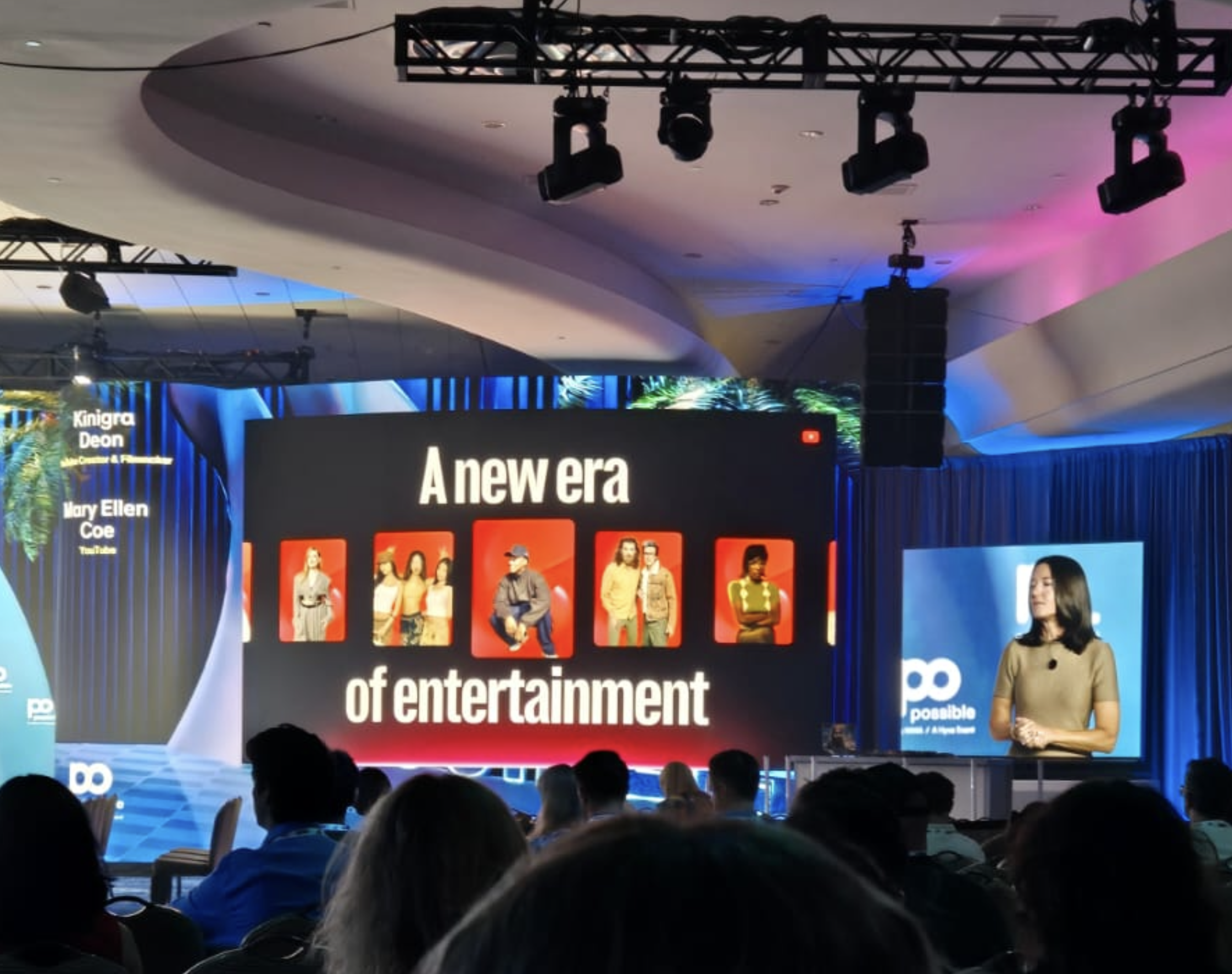
TikTok itself publicly positions the platform as a global discovery engine, and the official POSSIBLE 2026 livestream included conversations with YouTube about the new era of entertainment and the role of creators as cultural infrastructure.
The implication for brands is straightforward: content shouldn't be built solely around a publishing calendar. It should be built around audiences, behaviors, questions, search moments, and cultural conversations. Many content plans across the region are still organized around dates. That produces what the brand wants to publish, not necessarily what people are trying to find.
Silence Isn't Neutral. It's Absence.
If a brand doesn't appear in the social searches generated by its category, someone else is occupying that space: a creator with a negative experience, a competitor with a better content strategy, an improvised review, a viral comment, or simply silence.
And in a search environment, silence isn't perceived as caution. It's perceived as absence.
The conversation around reputation needs to expand. It can't be limited to what the media says, how we respond during a crisis, or how many positive mentions we receive. It should also include: What narratives are circulating when someone searches our category? What questions appear before the purchase? Who is answering on our behalf when we're not there? What videos are building trust—or distrust—without us even knowing?
The Strategic Role of Creators Has Changed
In many marketing plans, creators are still used as amplifiers: the brand defines a message, the creator distributes it, and the report measures reach. That model works for certain campaigns. But it falls short when it comes to social search.
In social search, creators can function as presence infrastructure: not only to amplify a launch, but to sustain useful, discoverable, and credible narratives around real audience questions. Creators who understand how their communities search, what questions they have, what language they use, and what types of experiences they find trustworthy.
The difference isn't scale. It's purpose. The first model uses creators to say what the brand wants to say. The second uses them to be present in conversations the audience is already having.
The Measurement That's Missing
Most marketing reports measure what we produce: reach, impressions, frequency, engagement, and clicks. These metrics are necessary, but incomplete. They tell us how our content performed, not what conversation exists around our brand when we're not looking.
The missing measurement is more uncomfortable: What does someone find when they search the category today? What questions appear? Which recommendations keep showing up? Which narratives belong to the brand, and which ones is it allowing others to define? What should exist but doesn't yet?
That question doesn't produce a clean answer. And that's precisely why it matters.
If someone searched your category on TikTok right now, what would they find? And if your brand isn't there, you don't have a content problem. You have a positioning problem.
This article concludes a four-part series of strategic reflections following POSSIBLE, where Garnier Agency actively participated.
